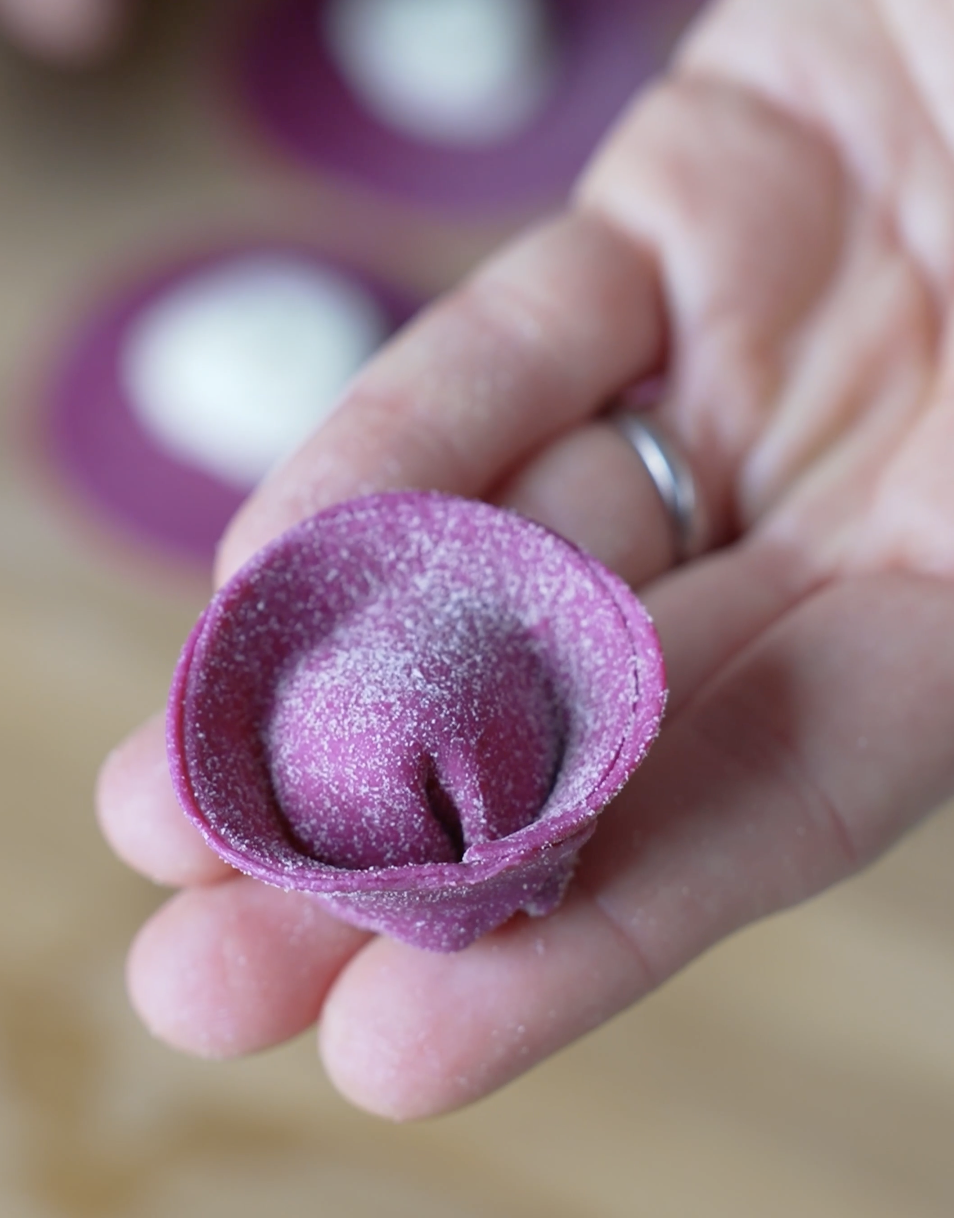
Unlocking the Magic of Purple Beetroot Pasta: A Guide to Vibrant Homemade Dishes
Imagine a dinner plate bursting with color, a visual feast that's as nutritious as it is beautiful. This isn't just a dream; it's the reality when you create purple beetroot pasta. Moving beyond the traditional yellow of egg pasta, incorporating earthy beets transforms your homemade noodles into a stunning, jewel-toned culinary masterpiece. While beets are commonly known for their use in savory dishes or even to impart a natural red hue to cakes, their potential for dyeing fresh pasta dough is truly remarkable. Prepare to impress your family and friends with pasta that’s not only delicious but also an absolute showstopper.
The Science of Color: How Beets Create Eye-Popping Purple Pasta
The secret behind the captivating color of purple beetroot pasta lies in unique pigments called betalains. These powerful antioxidants are responsible for the iconic purple, pink, and red shades found in beetroot. Unlike some other natural colorants that fade with heat, betalains are remarkably stable, allowing their vibrant hue to endure through the cooking process. This inherent stability makes beetroot an ideal ingredient for infusing pasta dough with mesmerizing color that truly lasts.
But the benefits extend beyond aesthetics. Adding beets to your pasta dough isn't just about amplifying visual appeal; it also injects a valuable dose of extra nutrition. Beets are packed with vitamins, minerals, and fiber, contributing to a healthier meal without compromising on taste. The result is a dish that challenges the notion that healthy food can't be exciting. For more insights into the nutritional benefits and history of this colorful dish, you might want to explore purple beetroot pasta - Article 1.
Crafting Your Vibrant Purple Pasta Dough: A Step-by-Step Approach
While achieving a striking shade of purple beetroot pasta is straightforward, the process of mixing beetroot into your pasta dough requires a little finesse. It's more nuanced than simply throwing raw beets into a food processor. The key lies in proper preparation of the beet purée and thoughtful integration into your dough.
Preparing the Perfect Beet Purée
The quality of your beet purée directly impacts both the color intensity and the texture of your pasta. Recipes often differ on whether to use boiled or roasted beetroot, and each method has its merits:
- Boiled Beets: Boiling beets is a quicker method, often resulting in a lighter purée. However, boiling can lead to a greater loss of water-soluble nutrients. The flavor tends to be milder, making the pasta more neutral.
- Roasted Beets: Roasting, on the other hand, is widely recommended if you want to reduce nutrient loss and enhance flavor. Dousing raw beets in olive oil, salt, and pepper, then wrapping them with fresh herbs like rosemary or thyme in foil before roasting at 375ºF (190ºC) for about an hour, yields tender, sweeter, and earthier beets. This caramelization intensifies their natural sweetness and deepens their color. Once cool, peel and purée them using a food processor until silky smooth. This method will give your purple beetroot pasta a subtle, delightful earthy undertone.
Regardless of your chosen cooking method, ensure the beet purée is completely cooled before incorporating it into your dough. This prevents the heat from cooking the eggs prematurely and affecting the dough's consistency.
Assembling and Kneading Your Dough
Once your beet purée is ready, the pasta-making process follows a familiar rhythm:
- Form a Well: Pour your flour (typically all-purpose or '00' flour) into a large bowl or directly onto a clean work surface. Create a generous well in the center.
- Combine Wet Ingredients: Into the well, add the cooled beet purée, fresh eggs, and a pinch of salt. Using a fork, gently whisk these ingredients together, gradually drawing in flour from the inner walls of the well.
- Form the Dough: Continue to incorporate flour from the sides until a sticky, reddish-purple dough begins to form. At this point, you can move to your work surface.
- Knead to Perfection: Knead the dough vigorously for 8-10 minutes. This develops the gluten, crucial for the pasta's texture. You'll notice the dough transform from sticky to smooth and elastic. If the dough is too wet, add a little more flour, a tablespoon at a time. If it's too dry, moisten your hands slightly or add a tiny bit of water or beet juice. The goal is a firm, pliable dough.
- Resting is Crucial: Wrap the kneaded dough tightly in plastic wrap and let it rest at room temperature for at least 30 minutes (or up to a few hours in the refrigerator). This resting period allows the gluten to relax, making the dough much easier to roll out and preventing it from shrinking back. For more advanced techniques on dough consistency and resting, you might find valuable tips in purple beetroot pasta - Article 2.
- Roll and Shape: Once rested, you can roll out the pasta dough thinly using a rolling pin or a pasta machine to achieve your desired thickness and shape – linguine, fettuccine, pappardelle, or even ravioli with a creamy ricotta and walnut filling!
Beyond Purple: A Spectrum of Homemade Pasta Colors
The beauty of natural food coloring doesn't stop with purple beetroot pasta. By following a similar purée-incorporation process, you can unlock a diverse palette of shades and hues for your homemade pasta:
- Vibrant Greens: Spinach is the most common ingredient for green pasta, but you can also experiment with Swiss chard or nettles. To maintain their bright color, wilt or cook the leafy greens briefly, then immediately transfer them to an ice bath. Squeeze out all excess moisture – you can even wring them in a clean towel – before puréeing and adding to your dough.
- Unconventional Blues: For a less conventional blue hue, you have a couple of options. Butterfly pea flowers, when steeped, produce a striking blue liquid. However, incorporating this liquid into your dough will add more water than a purée, potentially requiring an adjustment to the egg content or even making an egg-free dough. Alternatively, puréed red cabbage (or even just its vibrant cooking water) can create beautiful blue and purple tones, especially when a touch of baking soda is added to shift the pH.
- Warm Oranges and Reds: Carrots or red bell peppers can be puréed to create lovely orange pasta, while tomato paste or purée can yield classic reds.
Each ingredient brings its own subtle flavor profile, allowing you to tailor your pasta not just visually, but also gastronomically. Always remember to manage the moisture content carefully when adding any purée or liquid to your dough to maintain the desired consistency.
Pairing Your Purple Masterpiece
One of the beauties of purple beetroot pasta is its versatility. The resulting pasta, especially if made with boiled beets, often has a neutral flavor, allowing it to be paired with a wide array of sauces. If you opted for roasted beets, a subtle earthy sweetness will complement your sauce choices. Consider these pairings:
- Creamy Sauces: A light, lemon-infused ricotta sauce, a simple butter and sage sauce, or a delicate Alfredo will allow the striking purple color to truly shine.
- Pesto: A vibrant green pesto, whether traditional basil or an alternative like arugula or kale, provides a stunning color contrast against the purple pasta.
- Goat Cheese & Walnuts: The earthy notes of beetroot pair wonderfully with the tang of goat cheese and the crunch of toasted walnuts.
- Seafood: A light garlic and white wine sauce with shrimp or scallops can create an elegant and flavorful dish.
- Simple Olive Oil & Garlic: Sometimes, the simplest sauces are the best, allowing the unique pasta to take center stage. A drizzle of high-quality olive oil, fresh garlic, and a sprinkle of Parmesan is often all you need.
Conclusion: Embrace the Spectrum of Homemade Pasta
Making purple beetroot pasta is more than just a culinary exercise; it's an artistic endeavor that transforms a humble staple into a breathtaking dish. From the scientific marvel of betalains to the tactile joy of kneading dough, every step offers a chance to connect with your food. The ability to infuse your homemade pasta with such vivid, natural colors not only elevates its visual appeal but also allows for a creative expression in the kitchen. So, the next time you embark on the rewarding journey of making fresh pasta dough, consider adding a vibrant sparkle with puréed beets or any other natural colorant. You'll be pleasantly surprised by the burst of color, potential flavor, and the sheer delight it brings to your dining table.
